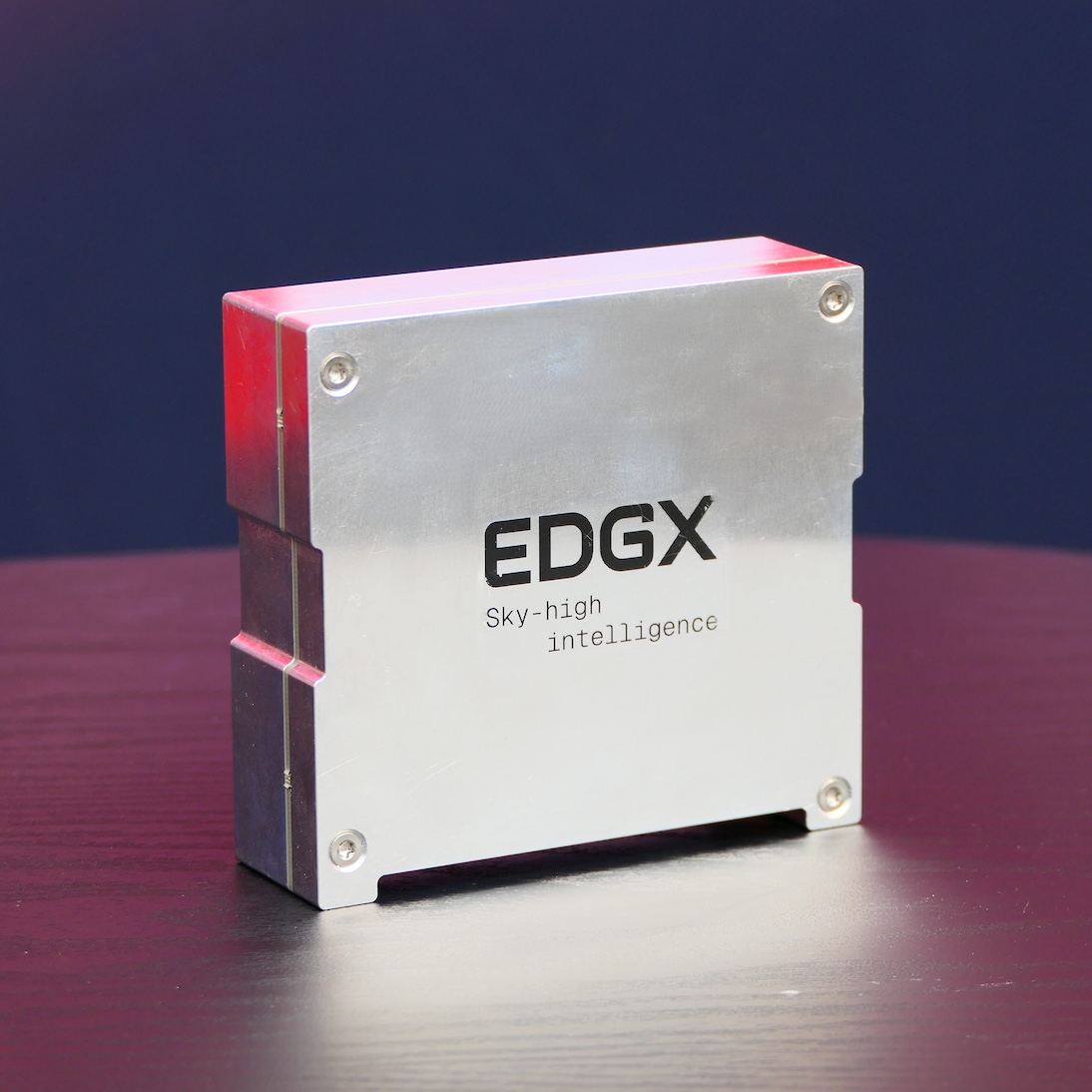
EDGX has started a development project with the European Space Agency (ESA). It runs under ARTES, ESA's programme for satellite communications, in the Industrial Competitiveness line of ARTES 4.0. The project covers the development of STERNA, our onboard data processing unit.
STERNA puts an AI computer inside the satellite. It processes data where it is collected, so the satellite sends down only what is useful. That saves downlink capacity and shortens the time between an observation and an answer on the ground.
A commercial chip, made fit for space
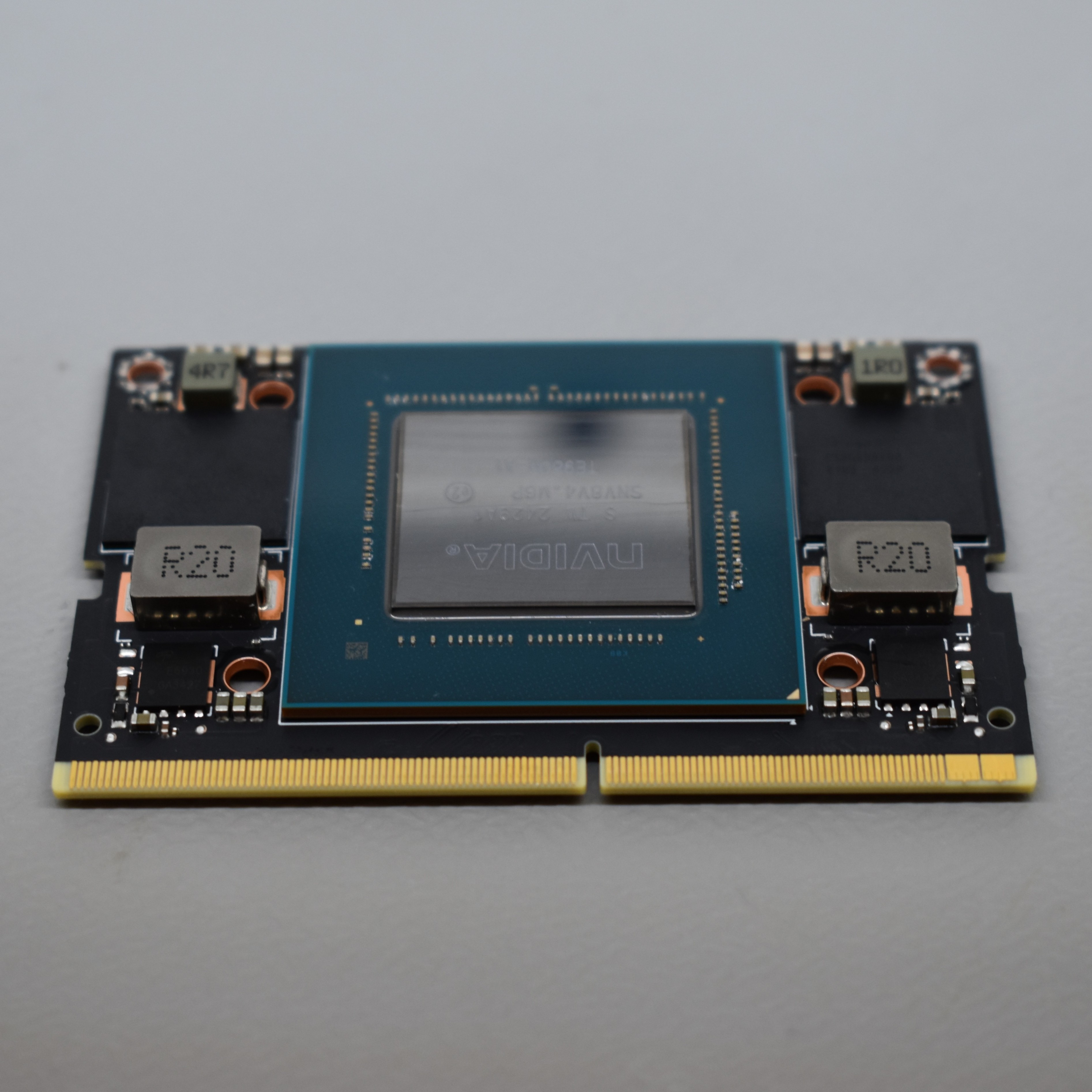
Most space computers are designed from scratch around radiation-hardened parts. That takes years and costs a lot. We take a different route. STERNA is built around an off-the-shelf NVIDIA AI module, from the same Jetson family used in robots and drones on Earth.
Our work is everything around that chip: the mechanical and thermal design that gets it through launch and keeps it cool in orbit, the power system, and the software that watches over the hardware and recovers from radiation faults. This lets us follow the pace of commercial AI hardware, instead of waiting years for a space-grade version.
What we will test in orbit
The goal is to fly STERNA and measure how it performs. We want to know how fast it runs and how much power it uses across a set of demanding applications. One of them is radio interference: finding signals that disturb satellite communication, and pointing to where they come from.