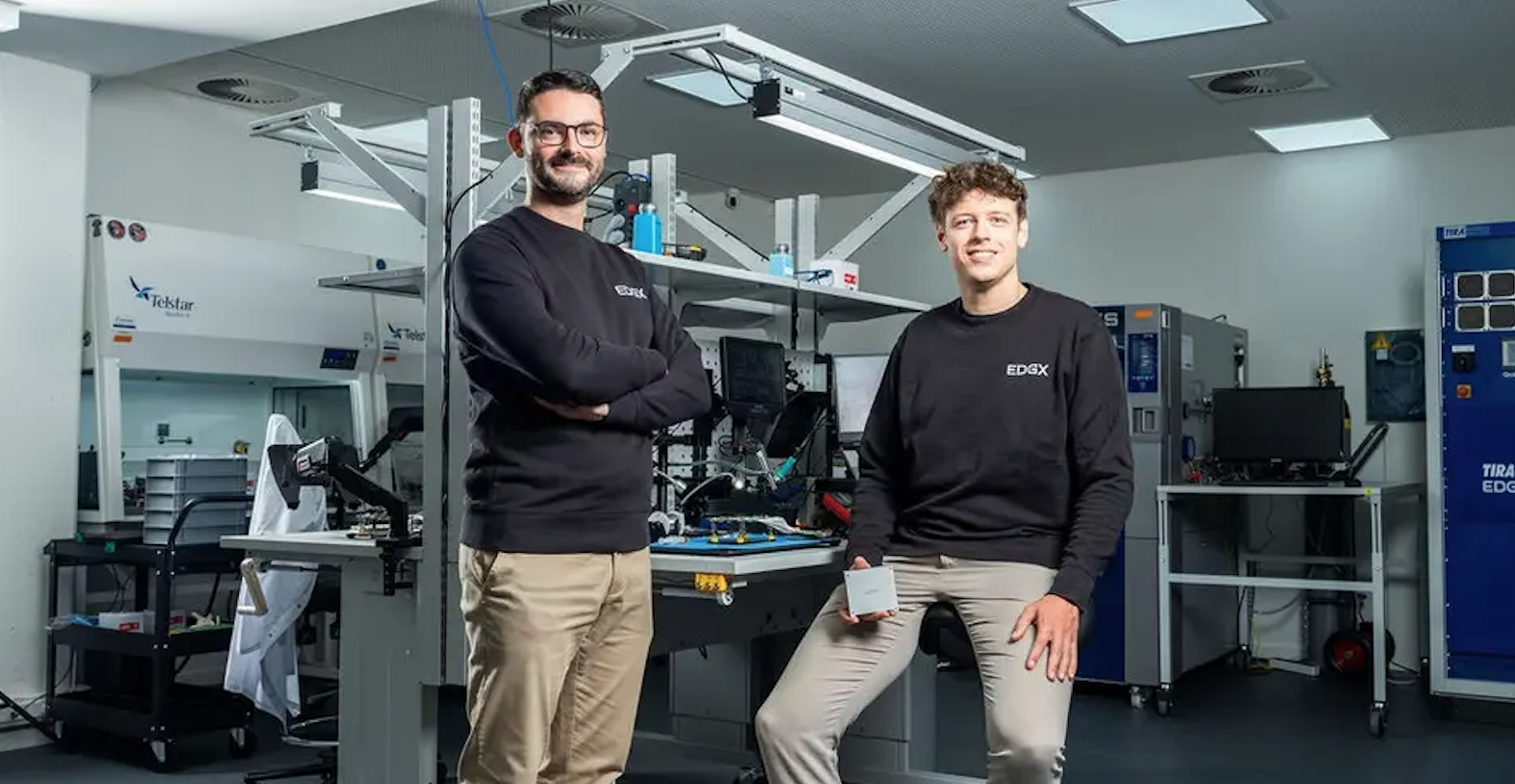

EDGX has been selected for the autumn 2023 cohort of imec.istart, the start-up accelerator of the research centre imec, which UBI Global has ranked the top university-linked business accelerator in the world. We are one of eight companies in this round, and the only one building technology for space.
Nick Destrycker and Wouter Benoot founded EDGX earlier this year. The idea behind the company is simple: satellites should be able to make sense of their own data.
Most satellites cannot do that today. An Earth observation satellite collects far more data than it can send down. It stores what it records and waits for its next pass over a ground station. The raw data then goes down, and the analysis happens on Earth. That costs time and bandwidth, and much of what is sent is of little use, such as images full of clouds.
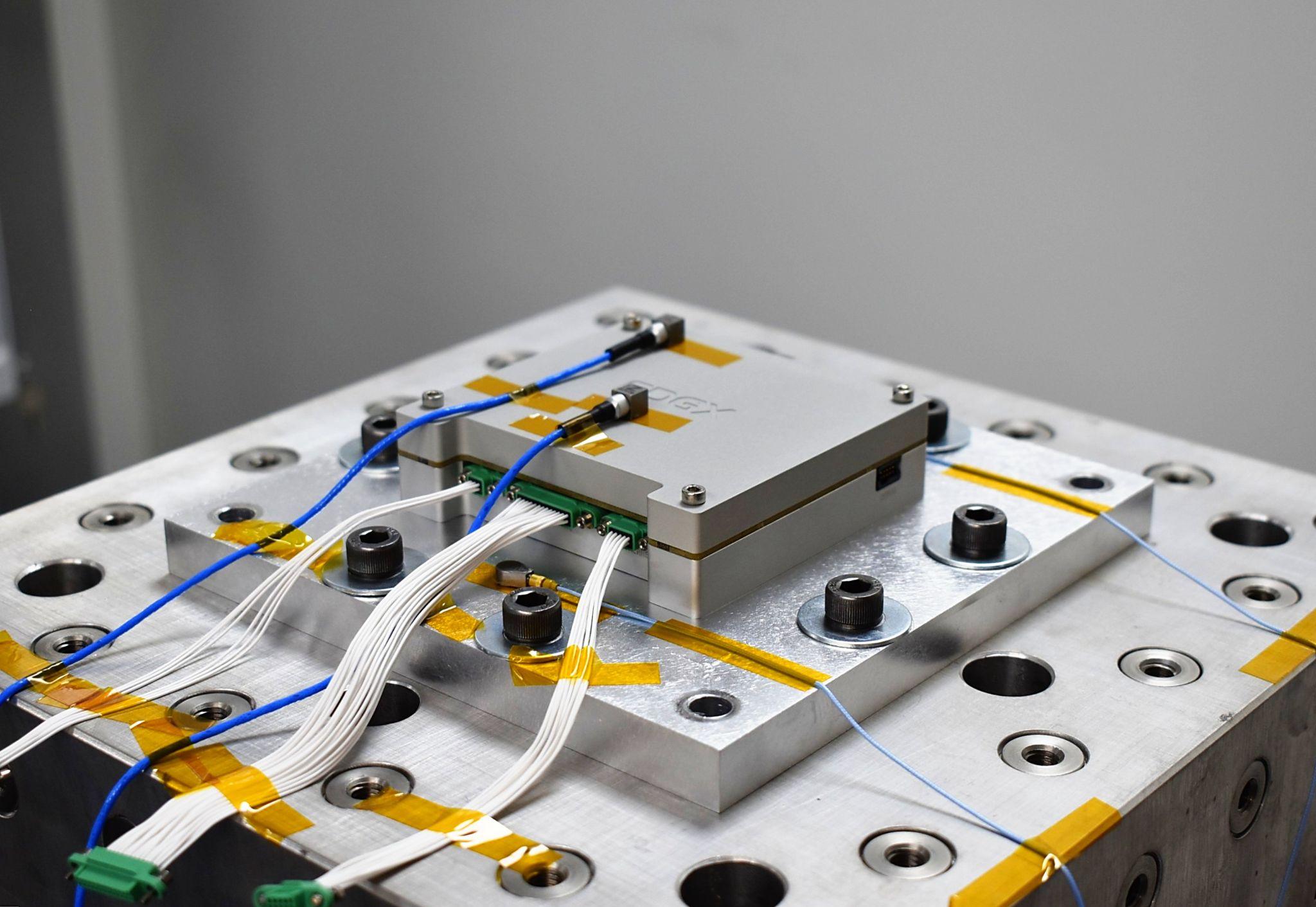
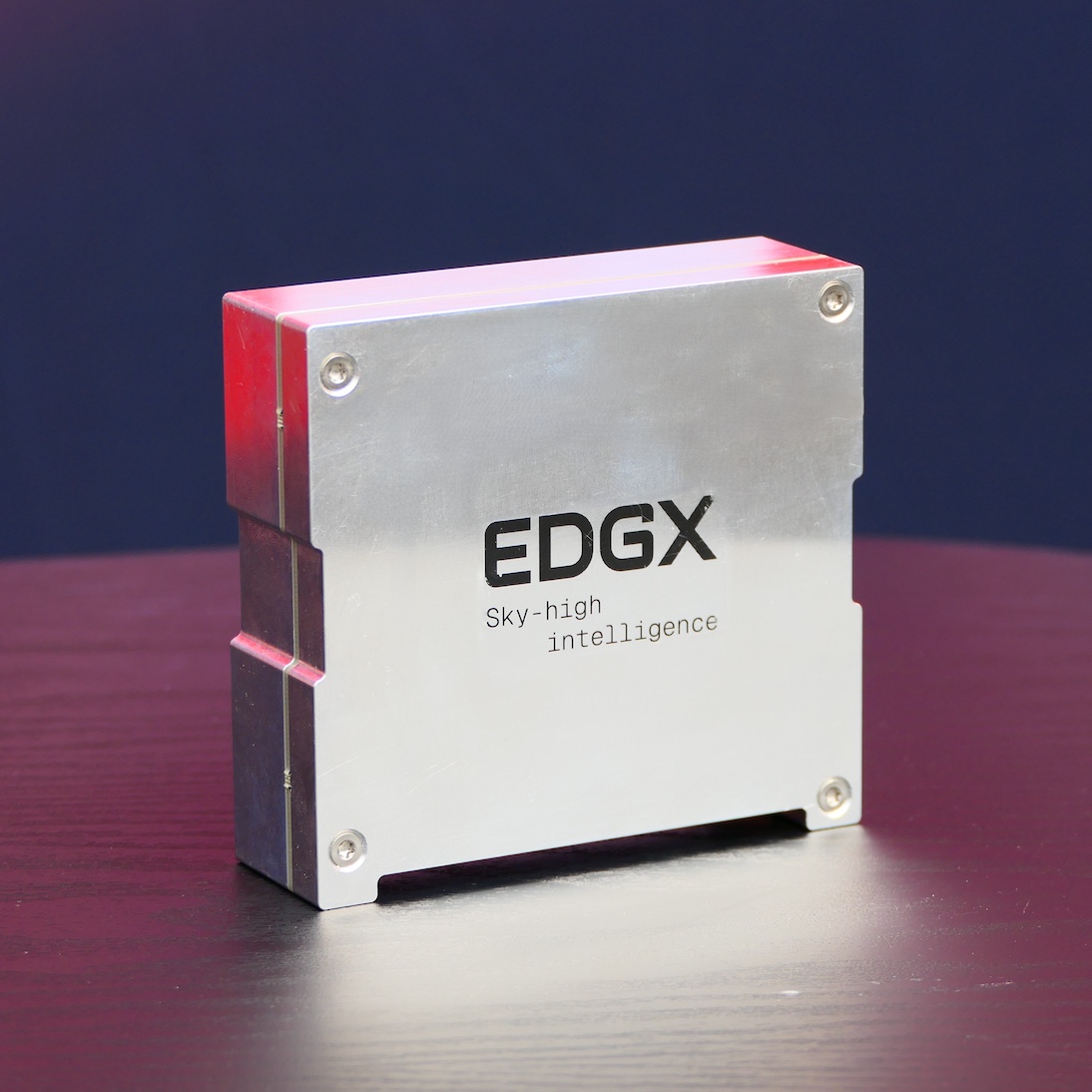
We are designing an AI-based data processing unit that sits on board, built on commercial off-the-shelf AI chips from the terrestrial market. It analyses the data in orbit and sends down the result: a ship detected, a change spotted, an alert raised. Further out, we picture thousands of satellites that work this way and deliver data on Earth in real time.